Role & Contribution
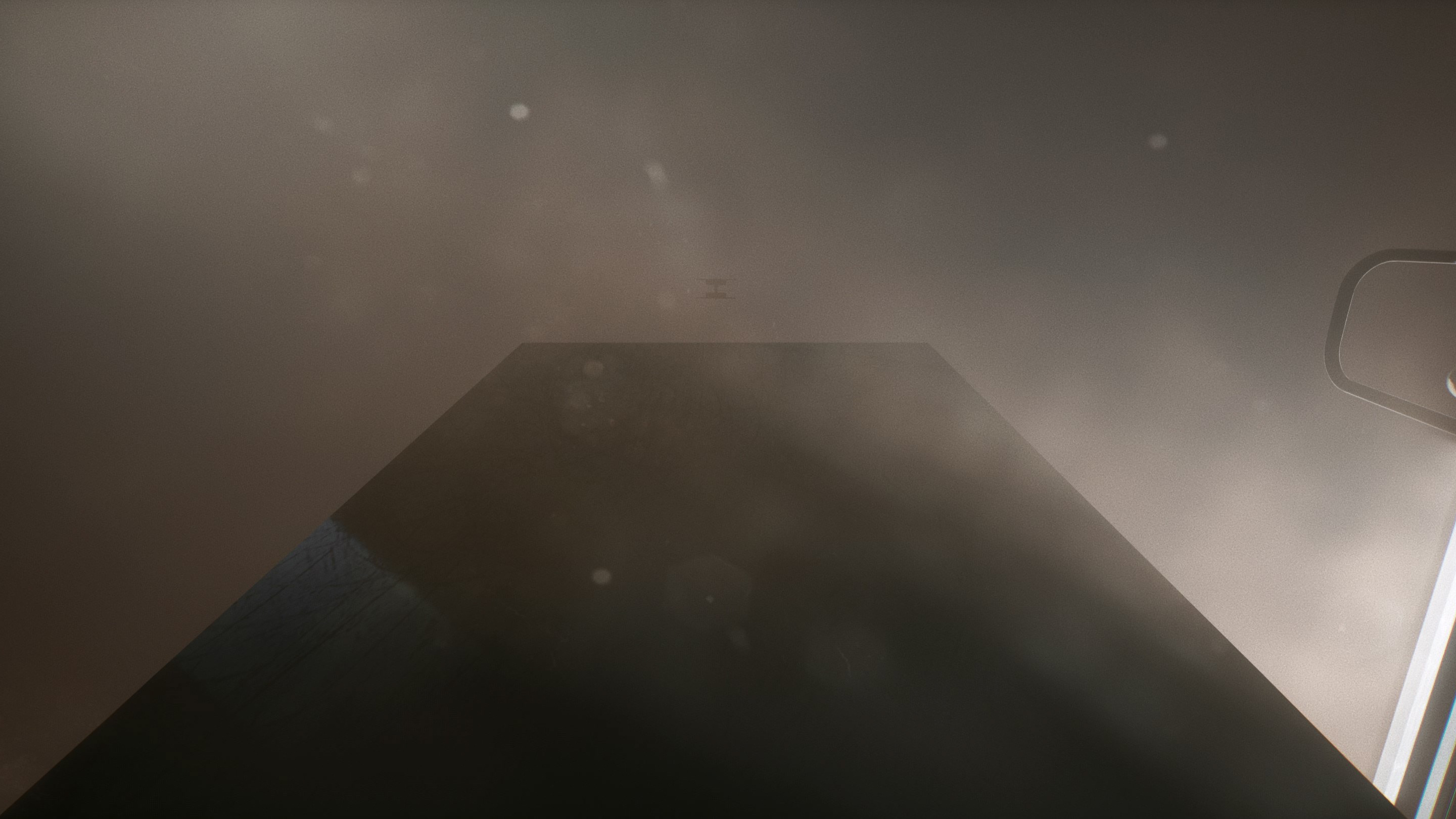
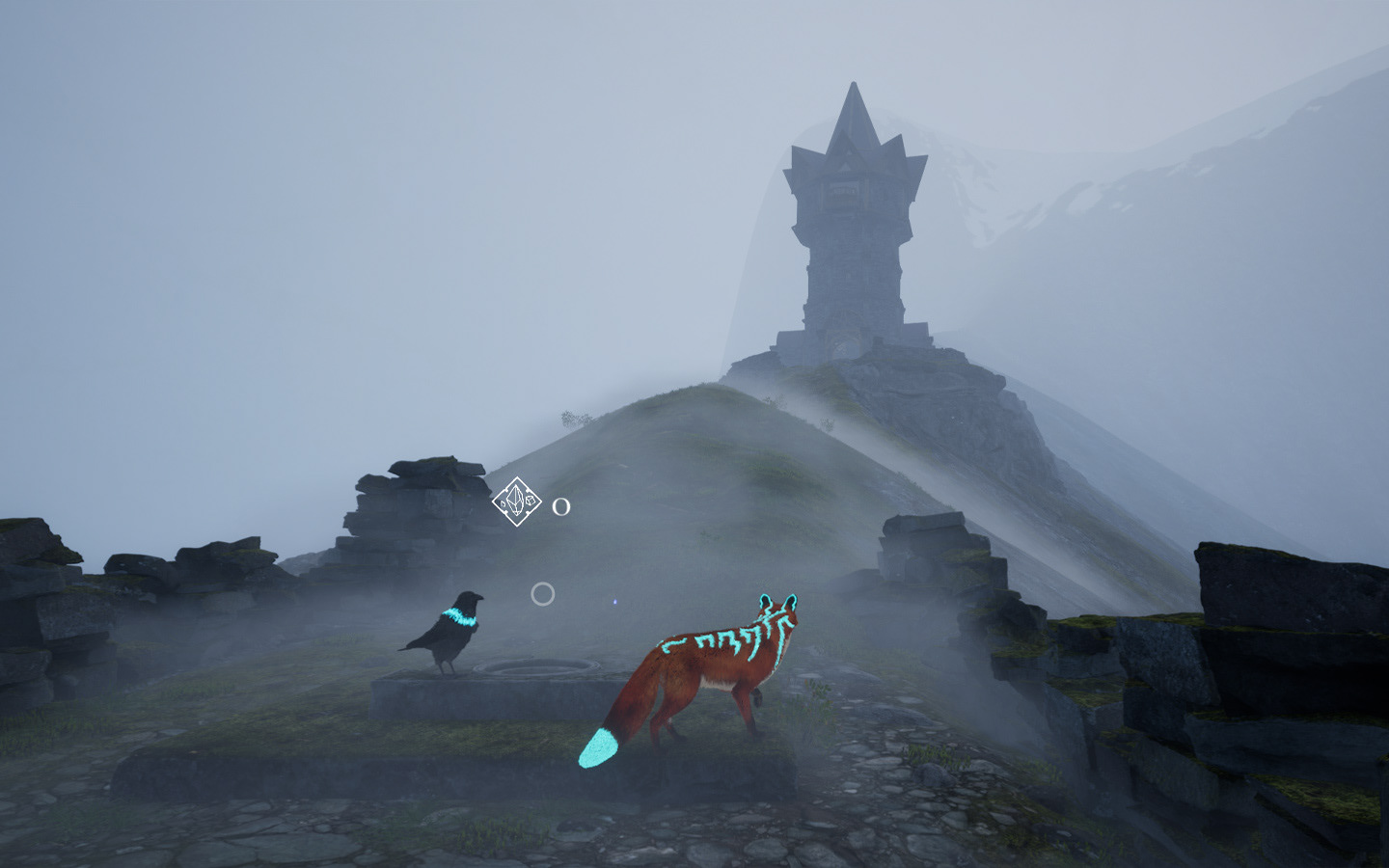
Concept Artist & Environment Designer - Conceptualized and built the "Tower of Runa" as a significant Point of Interest (POI) for the game Spirit of the North 2.
Lighting & Composition Artist - Developed the dramatic lighting and visual composition to emphasize the structure’s scale and mystery, contributing directly to the area’s unique mood and lore.
Narrative Integrator - Designed the visual storytelling within the environment to convey its significance in the game’s overarching lore.

Goal & Challenge 
The primary goal was to create a memorable and visually striking Point of Interest (POI) that was crucial to the narrative world building and exploration of Spirit of the North 2. The challenge was using modular assets and lighting techniques to achieve a grand, ancient aesthetic that felt integrated into the world.

Director's Endorsement & Impact
The Tower of Runa has been highlighted by the Game Director as one of his favorite locations within the game.This validates the environment’s success in being visually compelling and effectively contributing to the player's emotional and narrative experience.

Process & Creative Strategy 
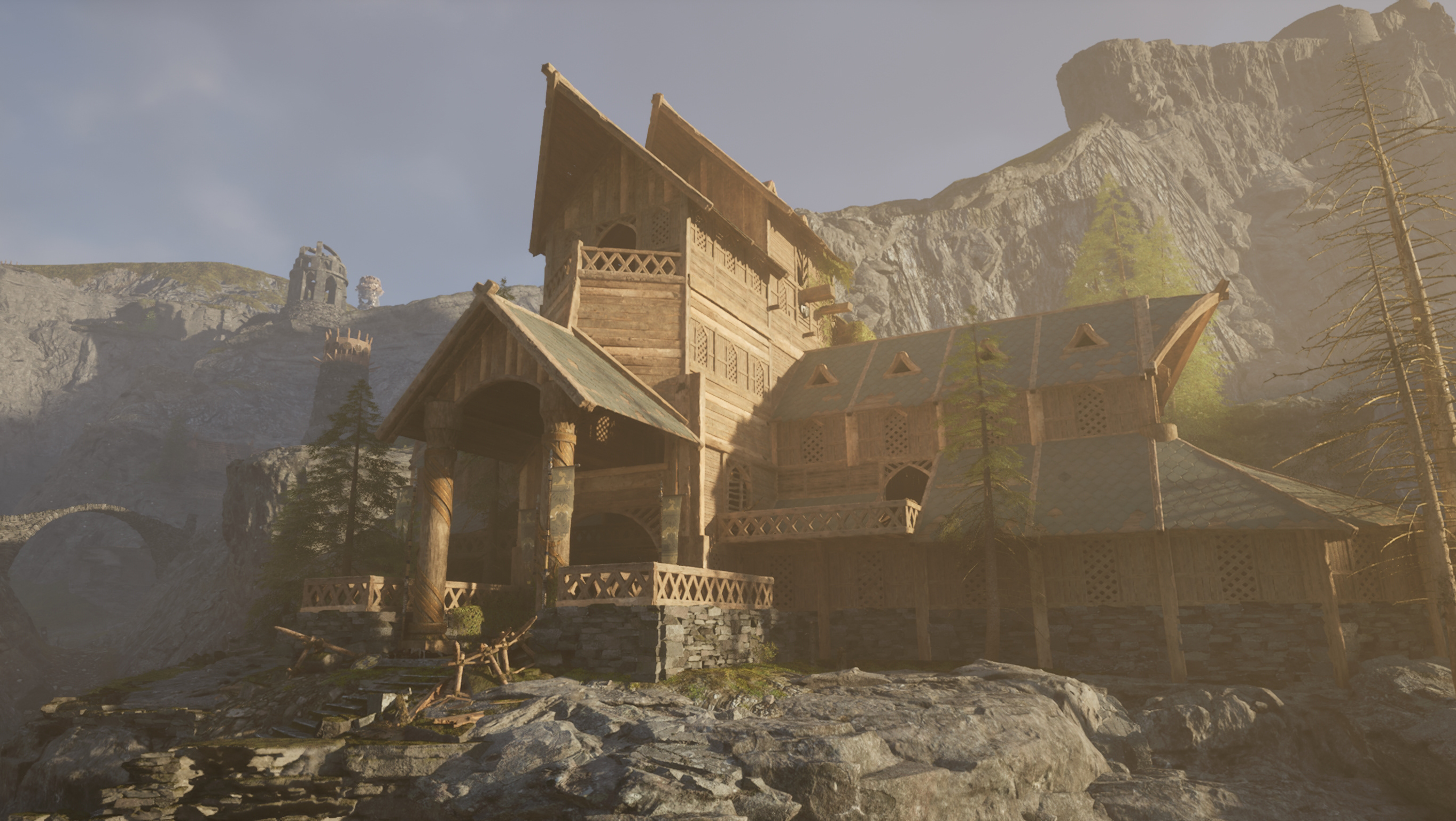
The design process focused on balancing artistic grandiosity with functional gameplay space. The structure was designed to immediately draw the player's eye using verticality and prominent placement. Highly detailed materials and asset placement were used to convey the weathering and age of the ruins, providing visual cues for the location’s history.

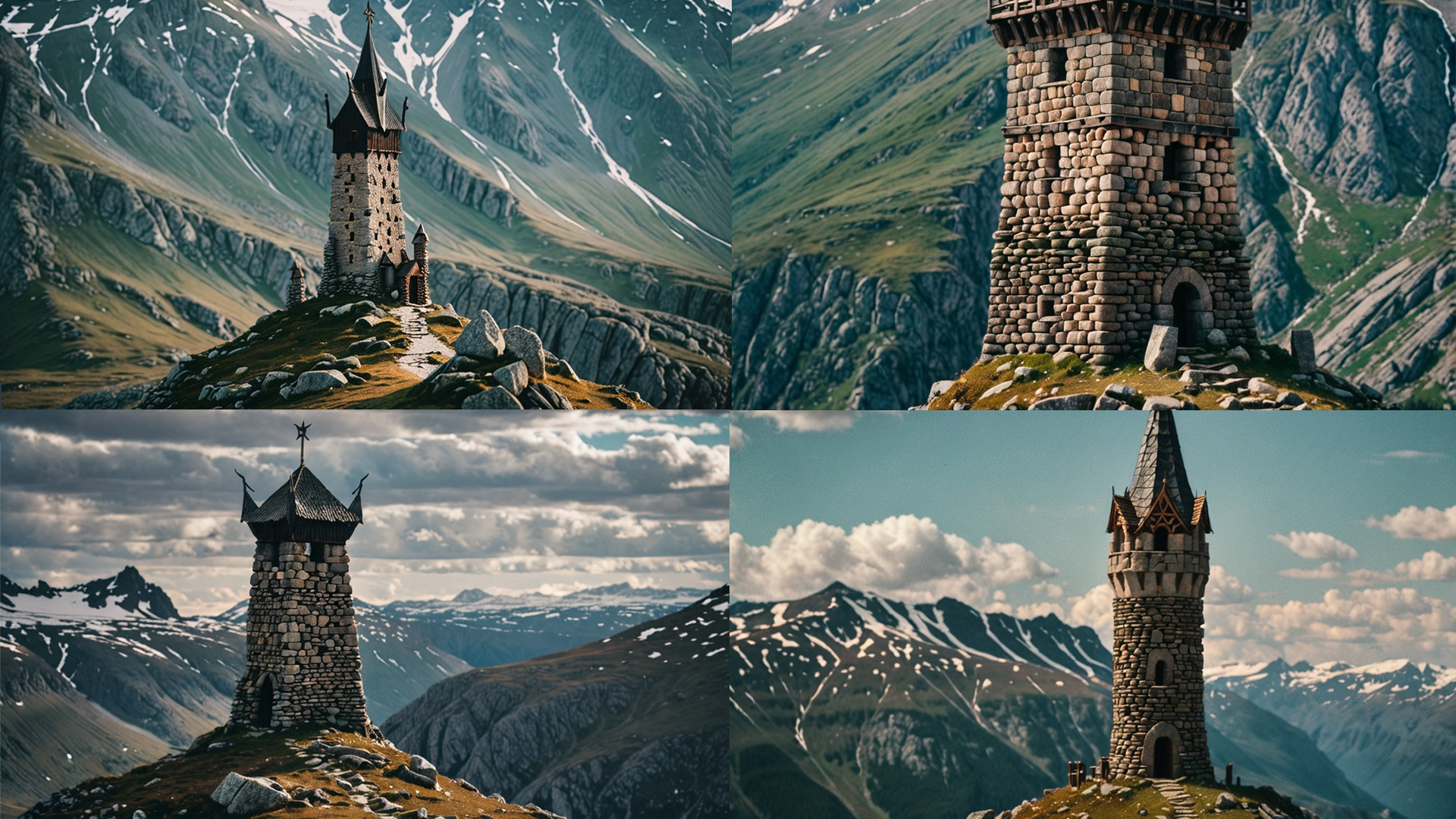
Some references I gathered initially for this POI included all sorts of different towers in traditional and popular culture.
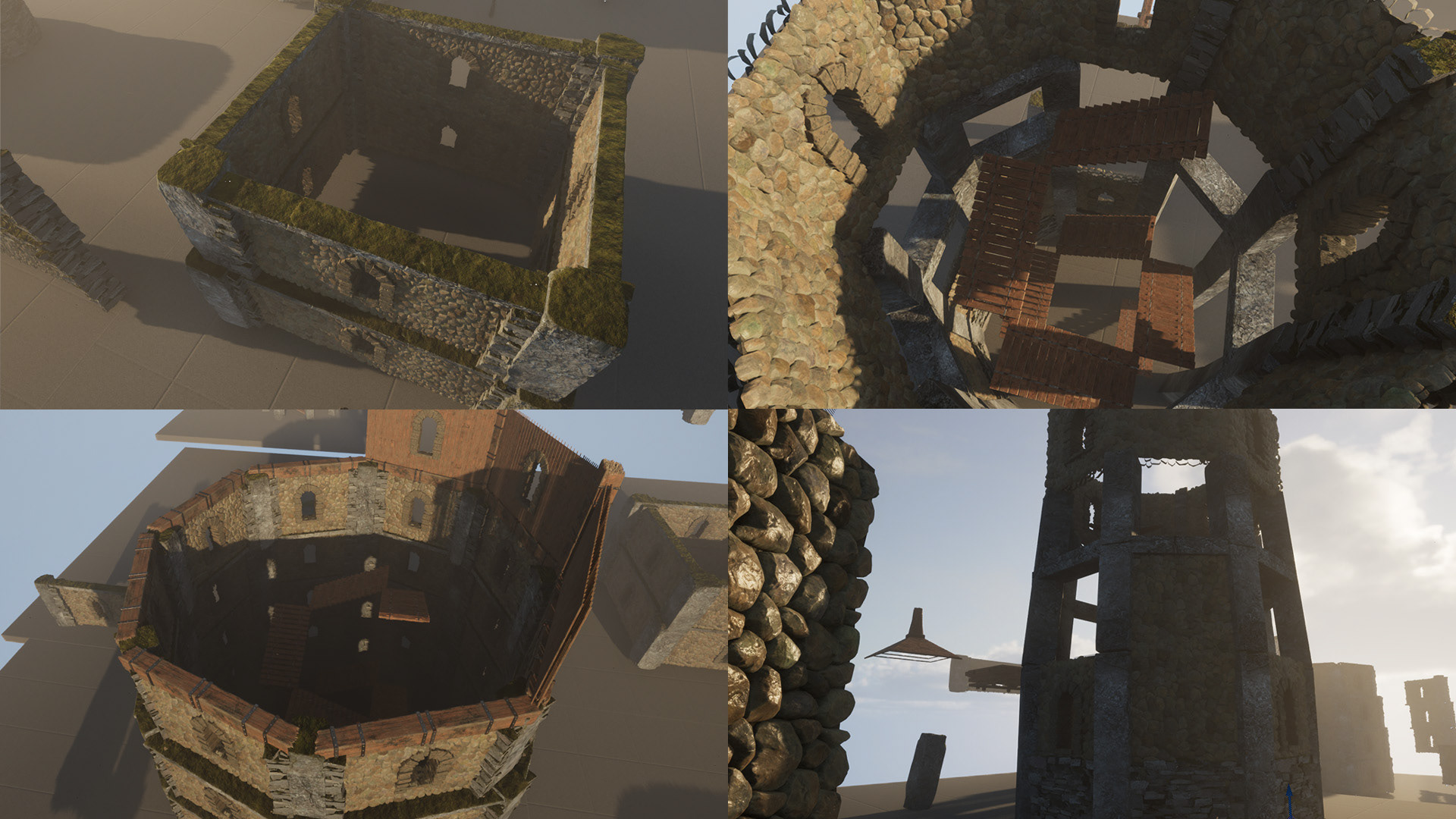
I quickly realized I'm no architect or engineer. I needed to build something that isn't too larige but still has an accessible interior space.
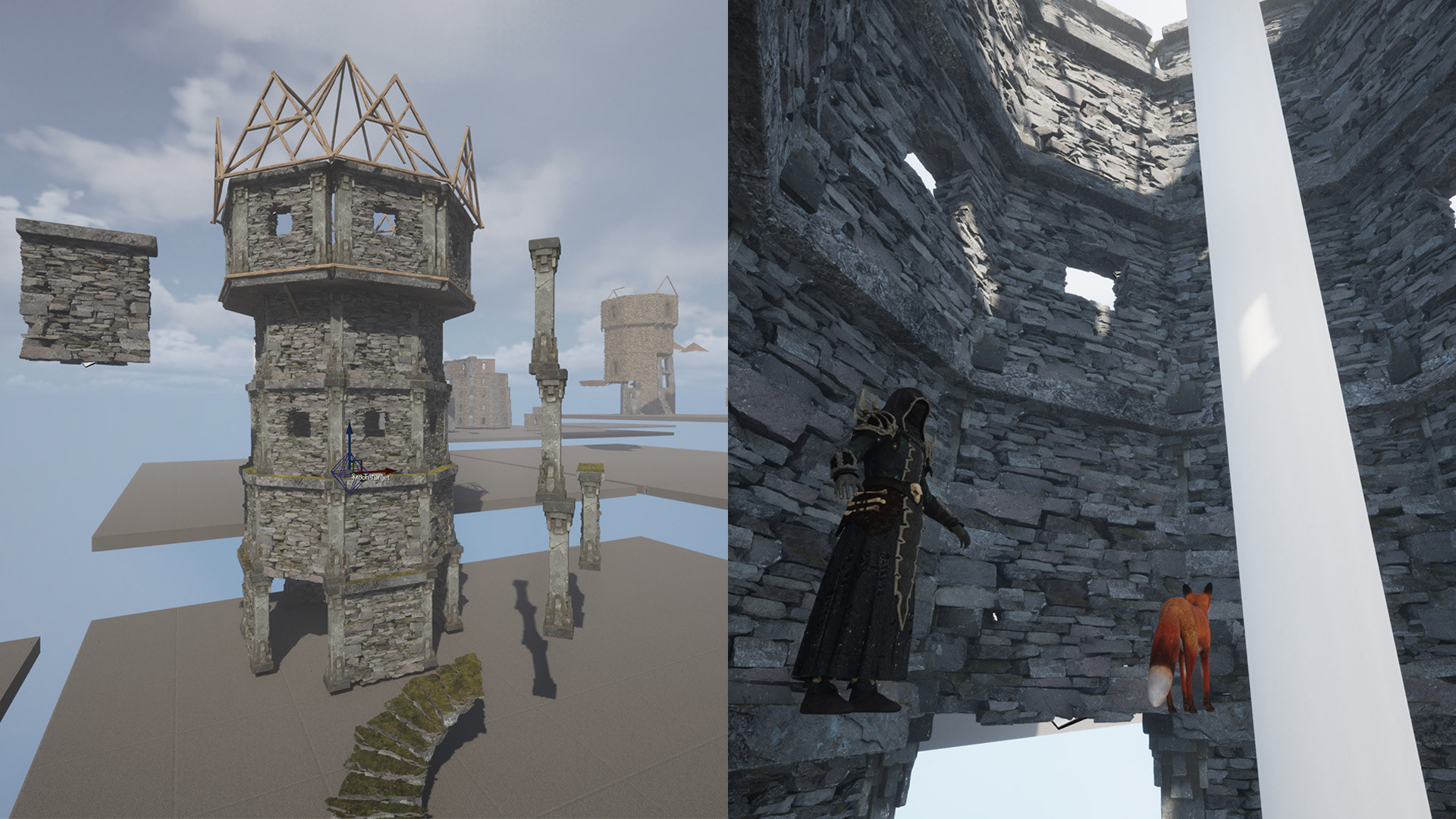
Finally I ended up with that I was semi-pleased with aesthetically while still maintaining practicality. 
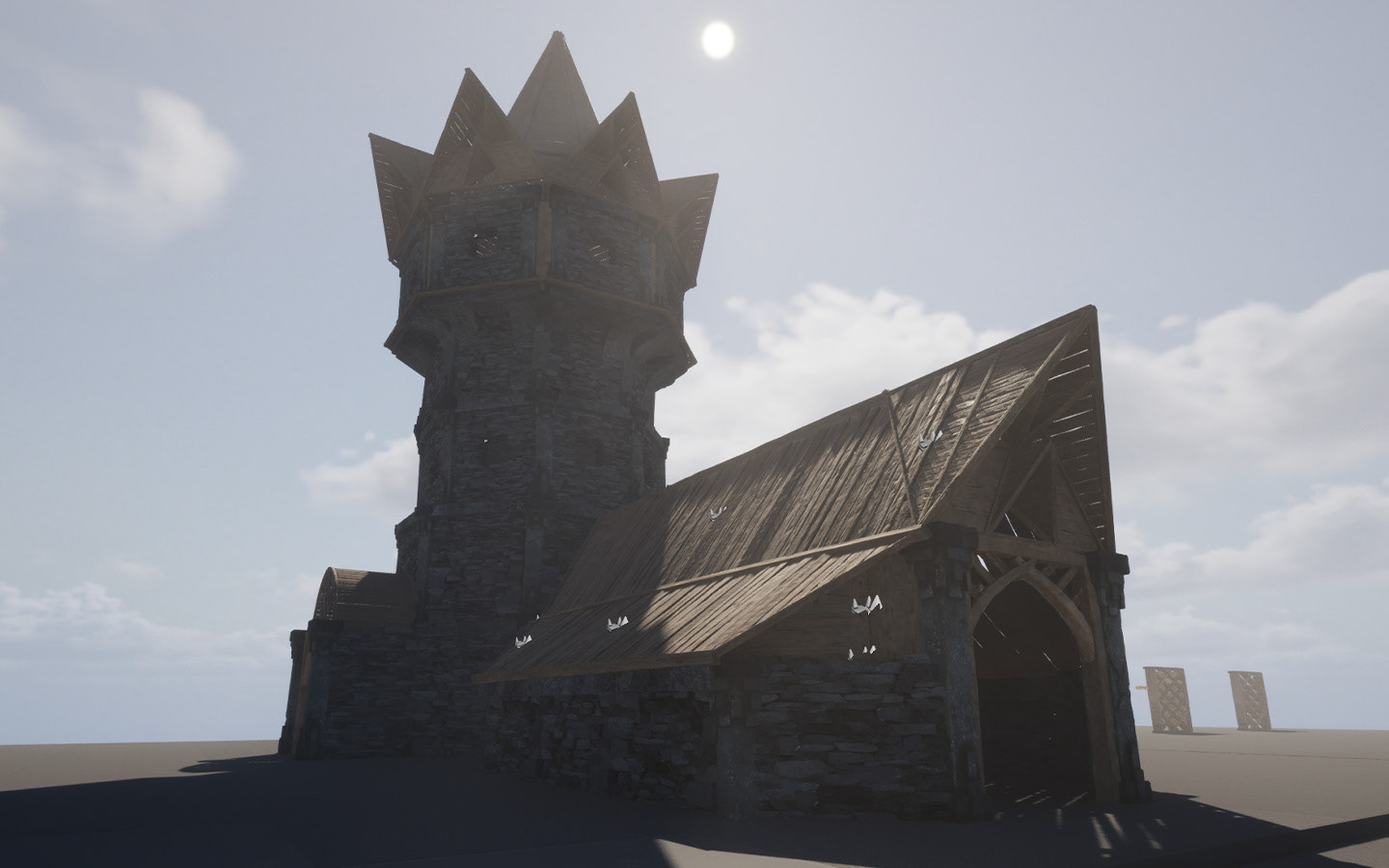
Roofing, doorways etc were clad with modular wood planks and beams. Imagine having to carry all this stone and wood to a remote location in ancient times. I'm just happy I have a mouse.
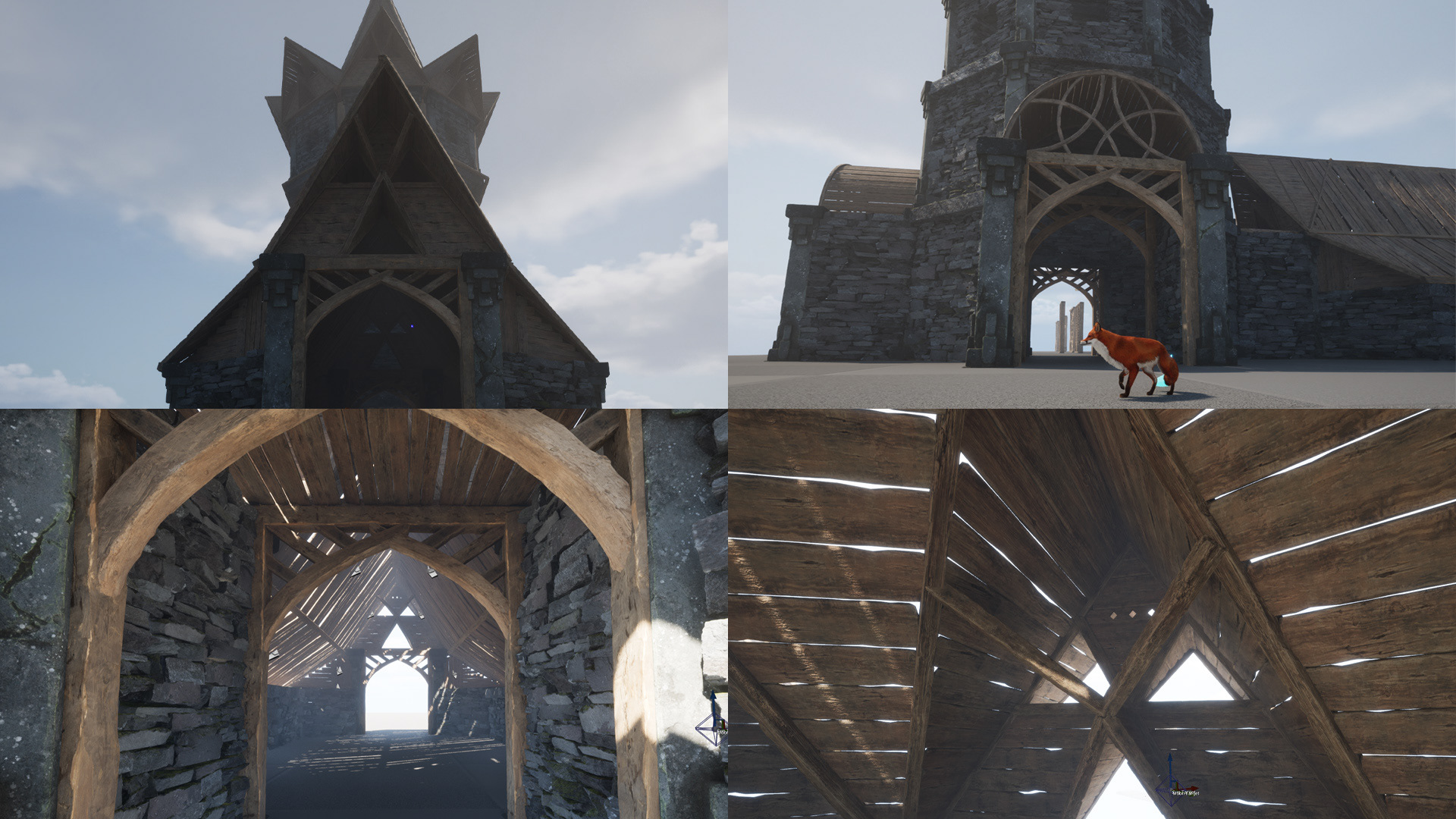
Some of the modular assets were edited so that I could create different patterns in various corners of the building. However they were mostly built with existing assets. 
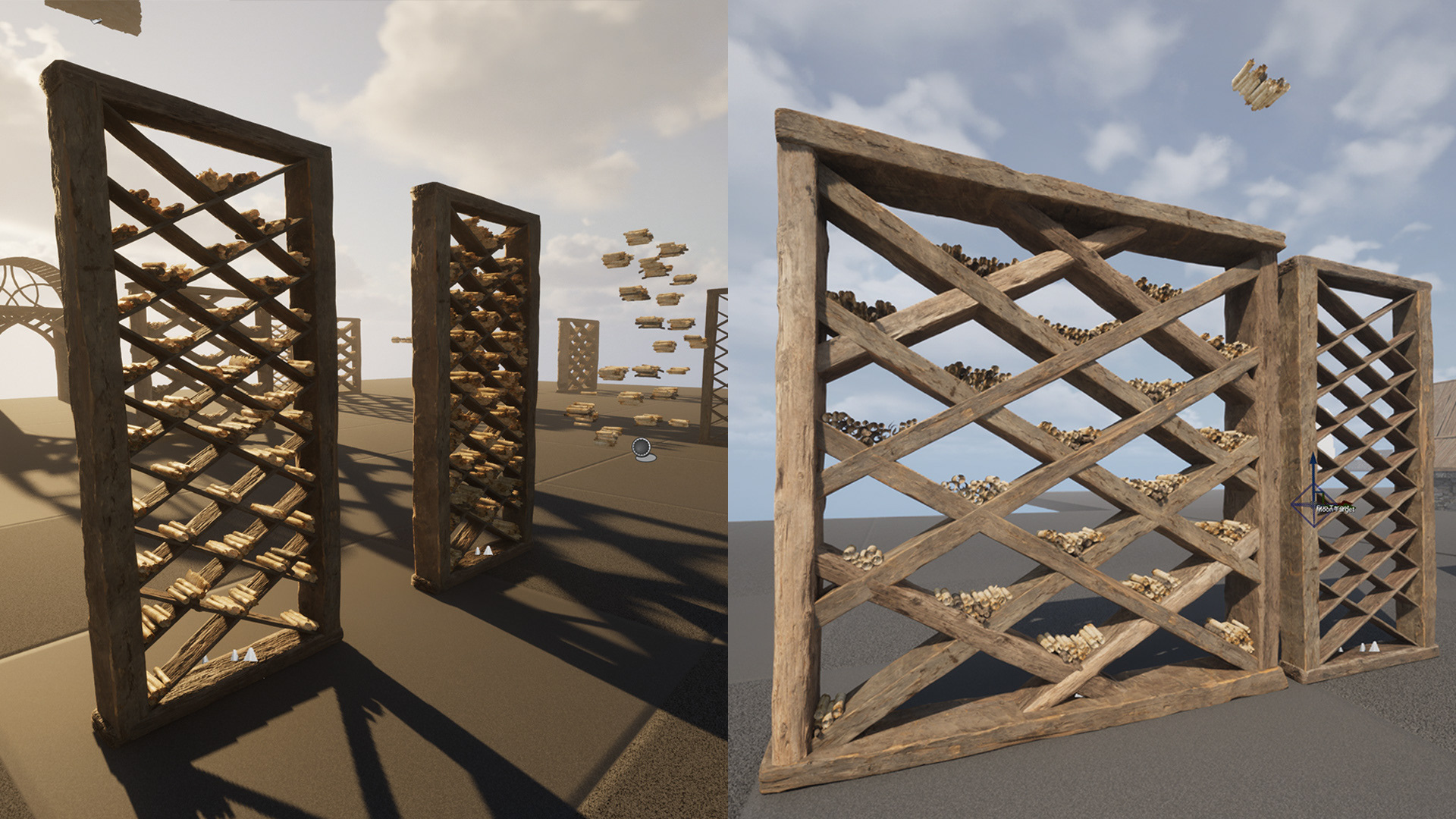
Bookshelves... no scroll shelves built also with modular assets.
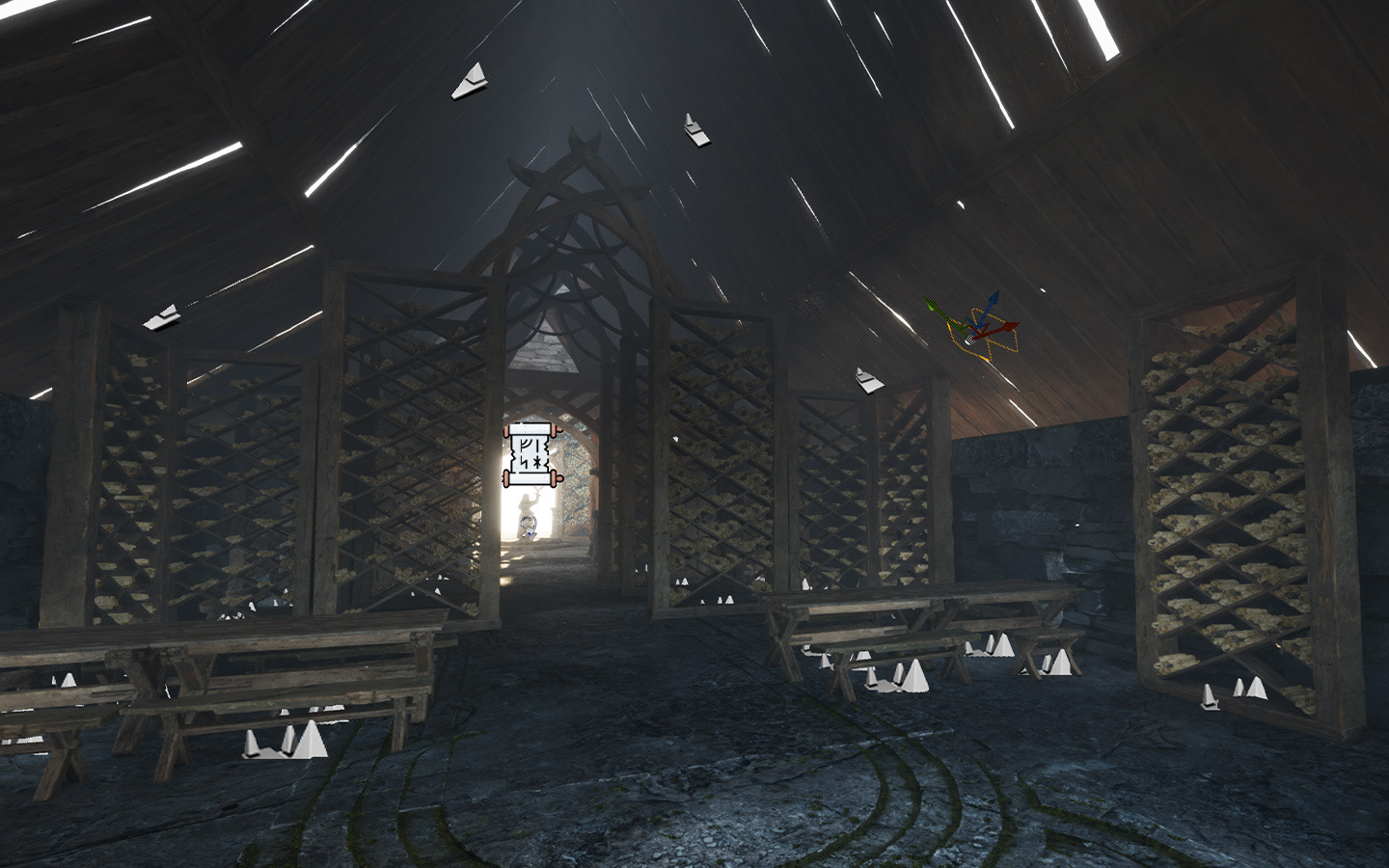
Did you bring your library card?
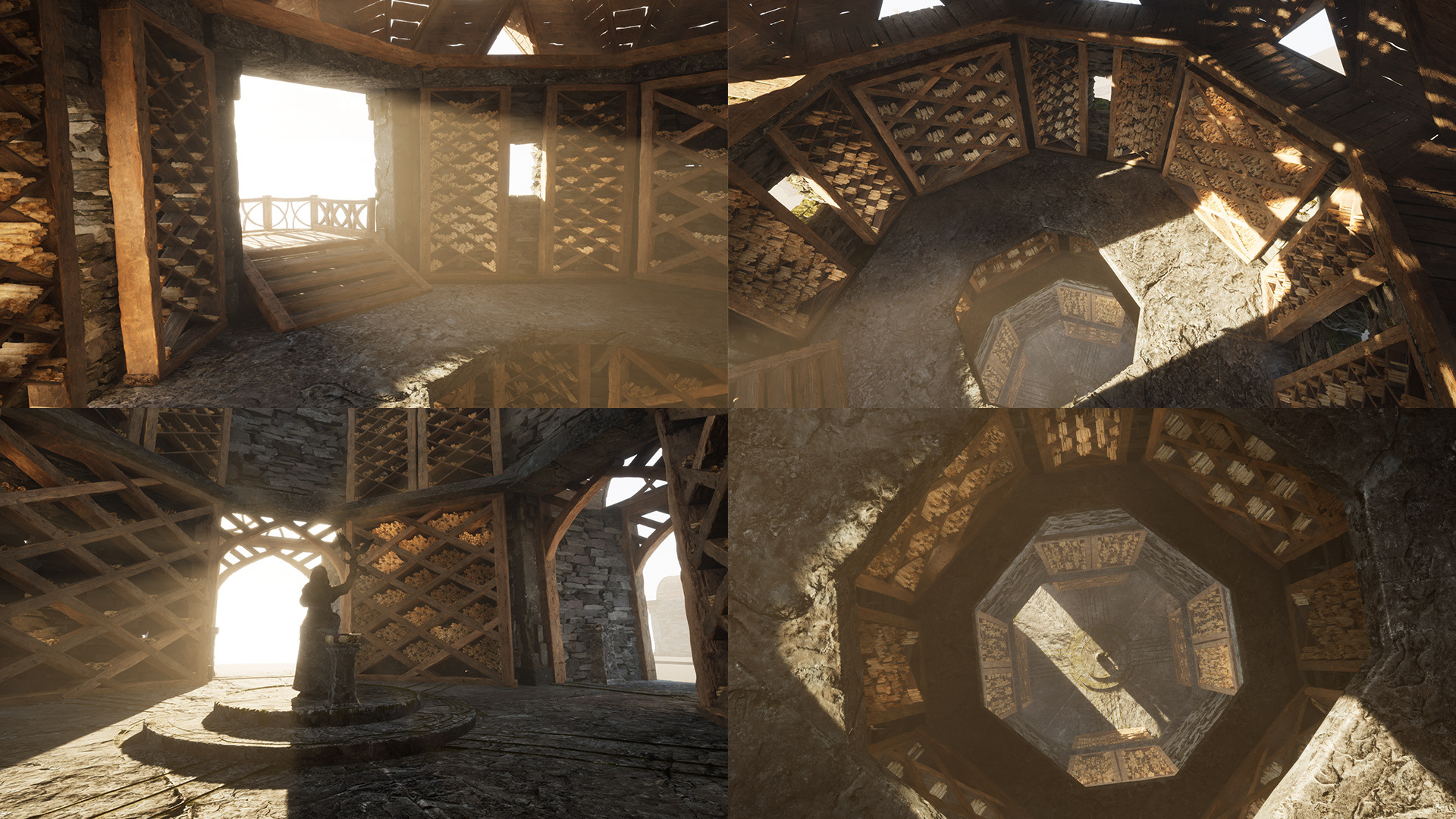
Shelves were installed throughout the building and tower, as per the original concept.
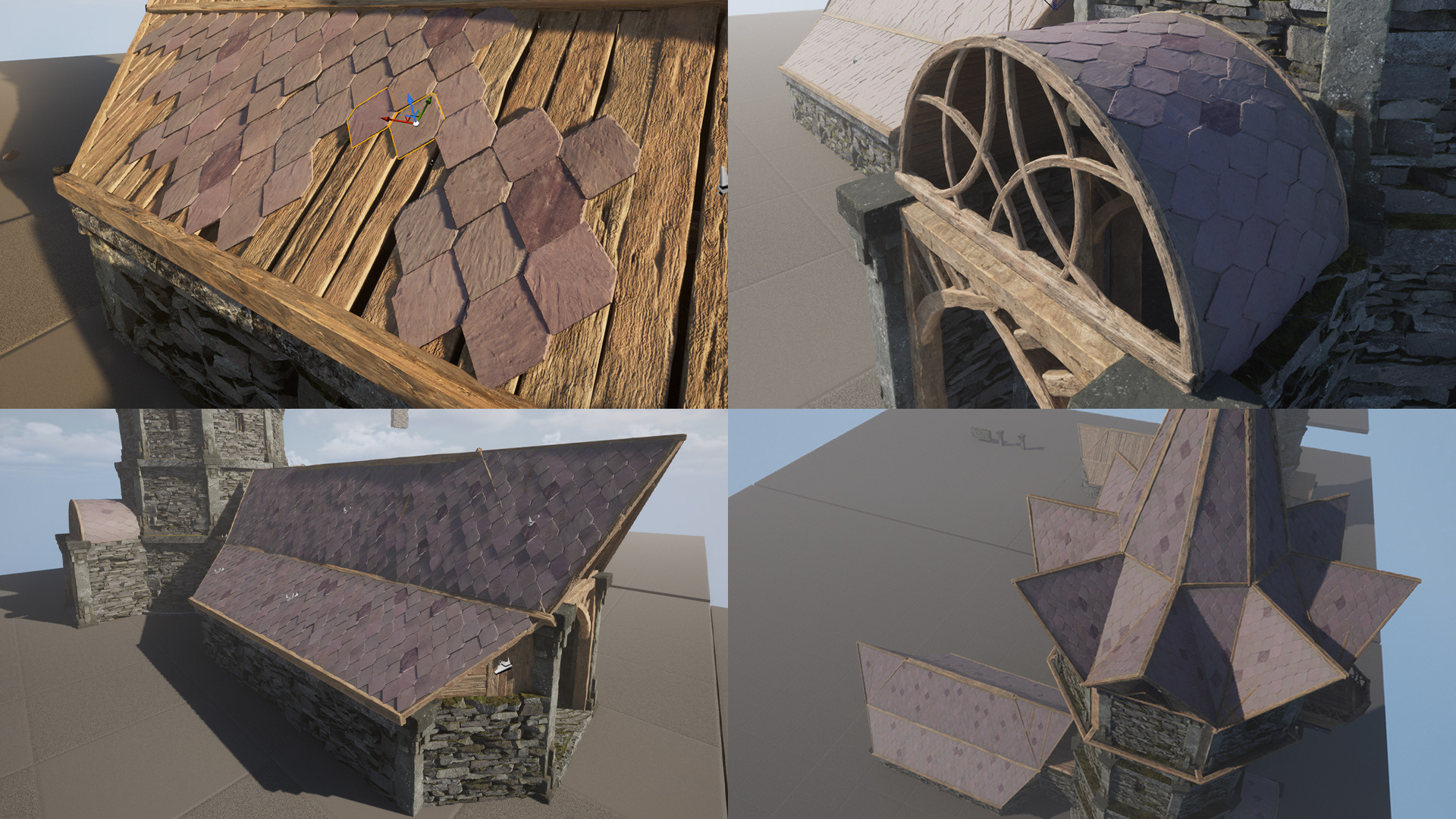
Roof tile assets were taken from elsewhere. I edited the material so that I could variate the tone and colour via primitive data. This is more performance friendly and practical than having to have a material instance for every colour and tone.
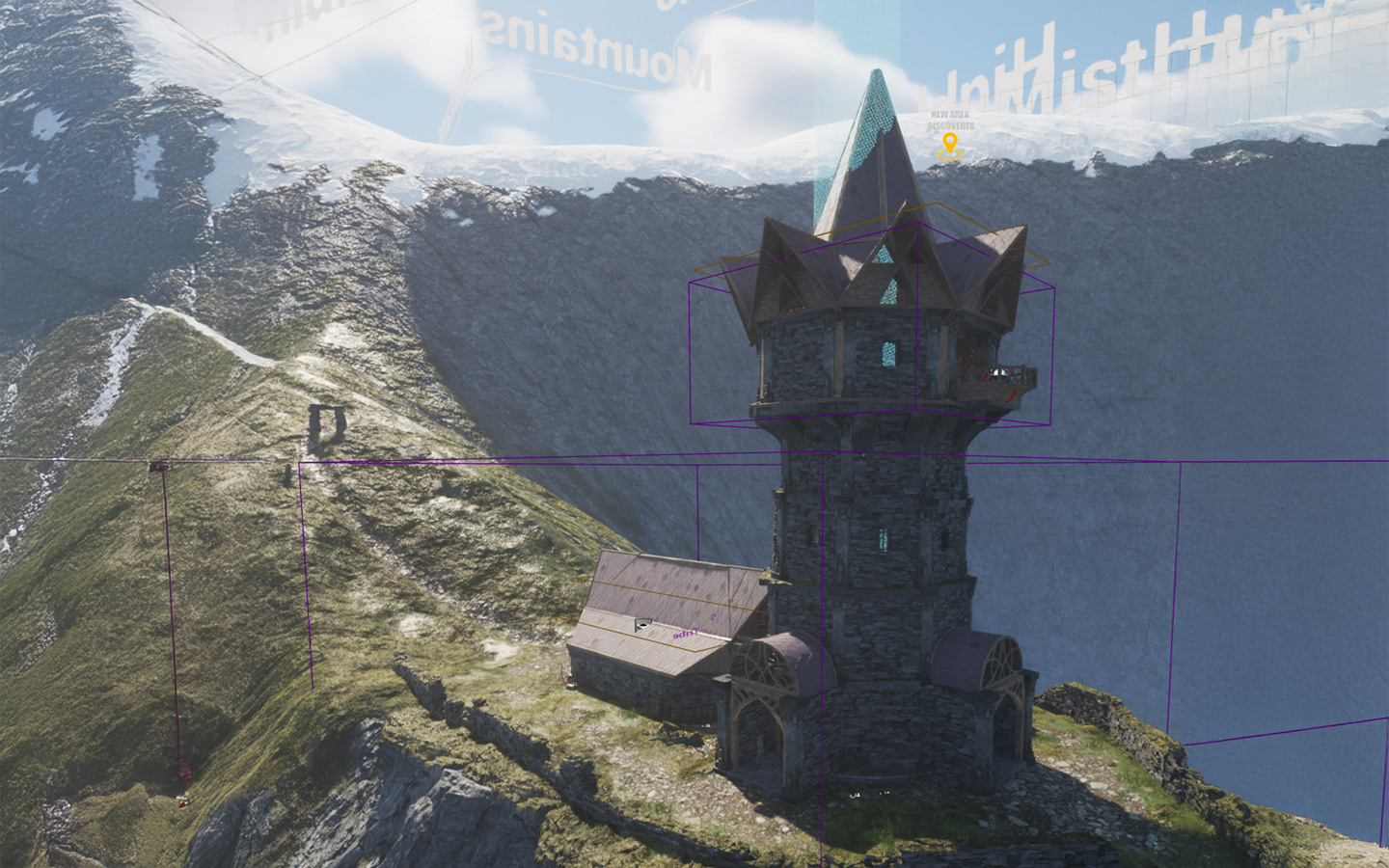
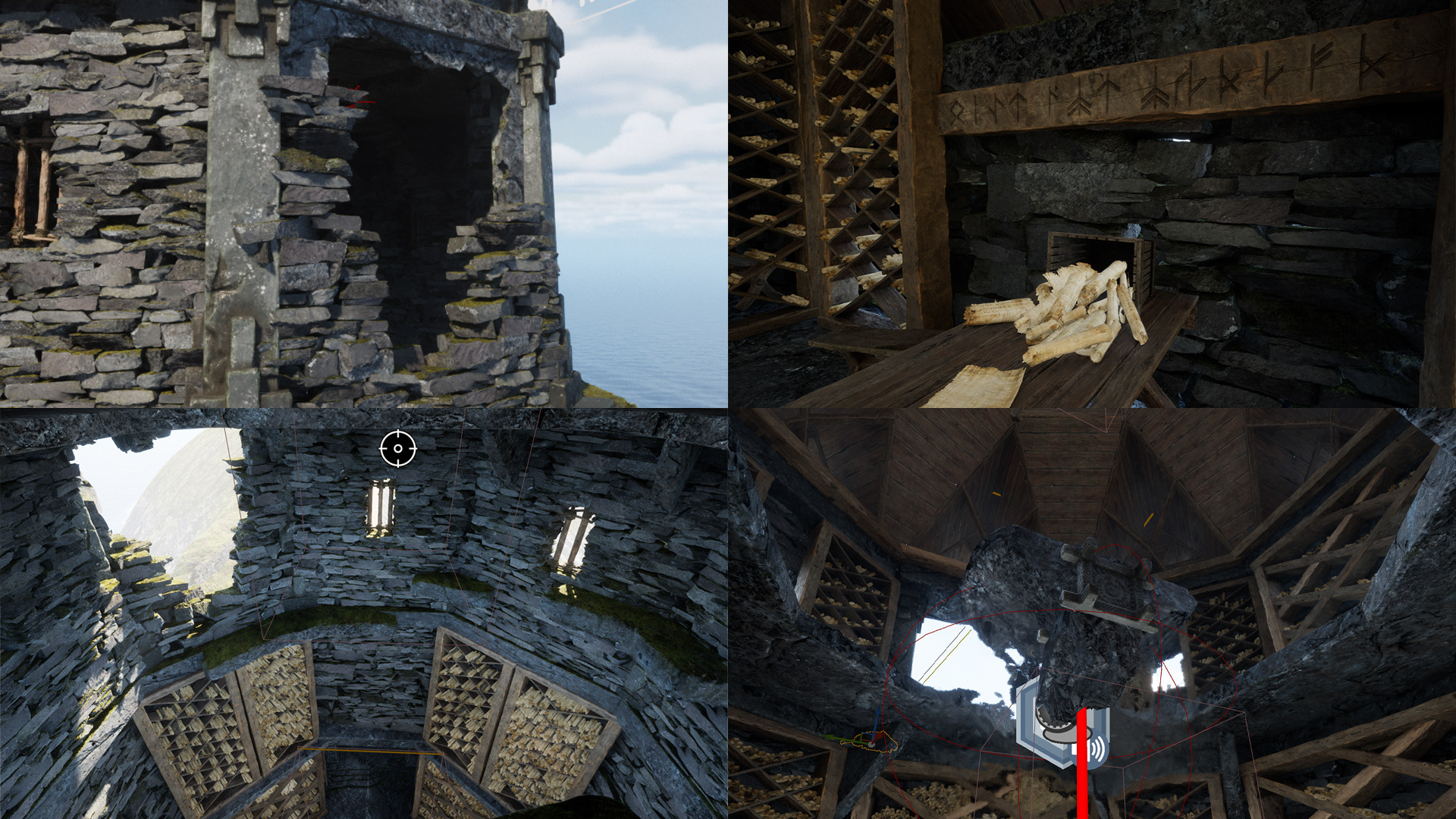
Destruction details, rune signs in decals, interactive actors were added in.
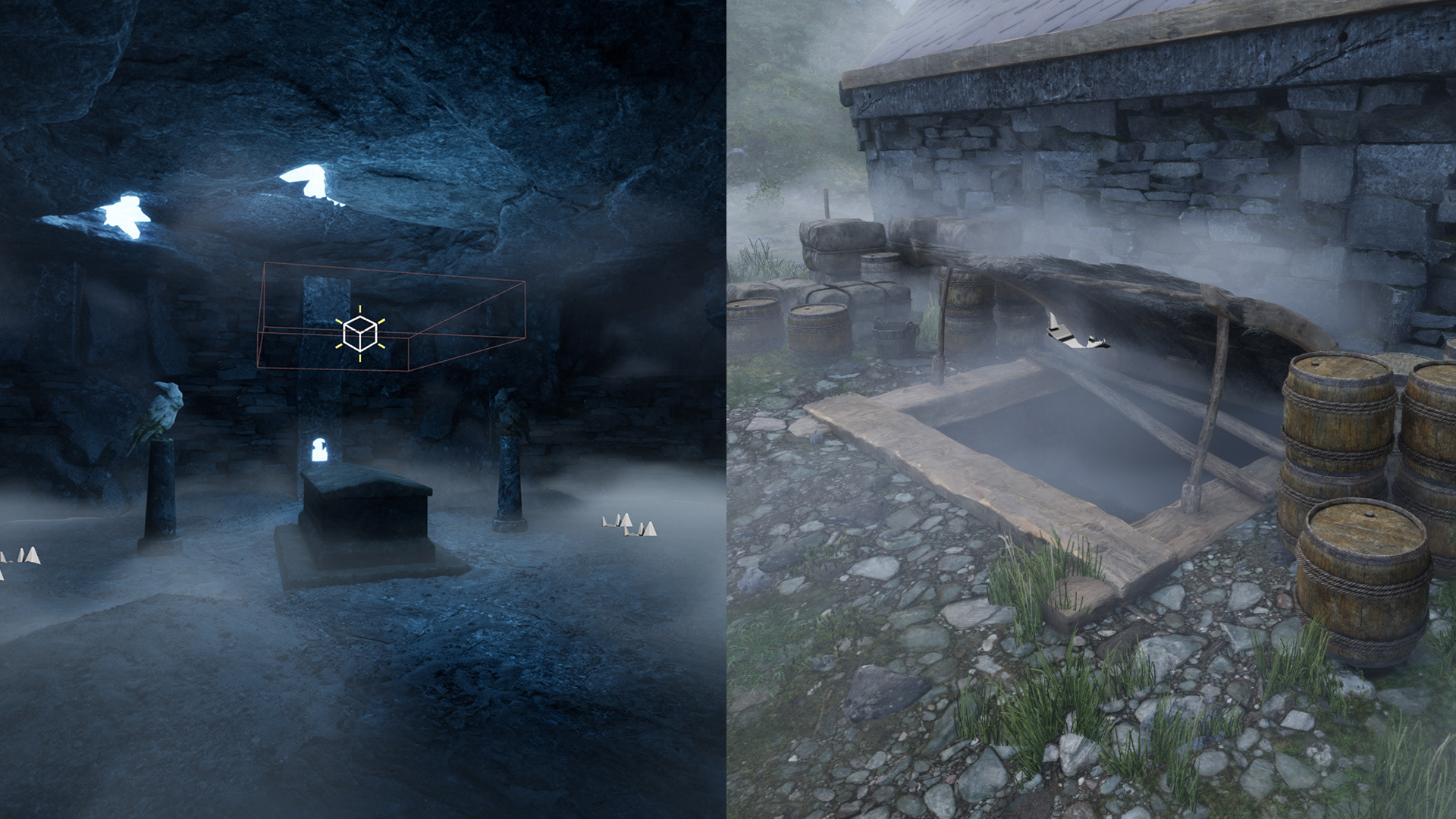
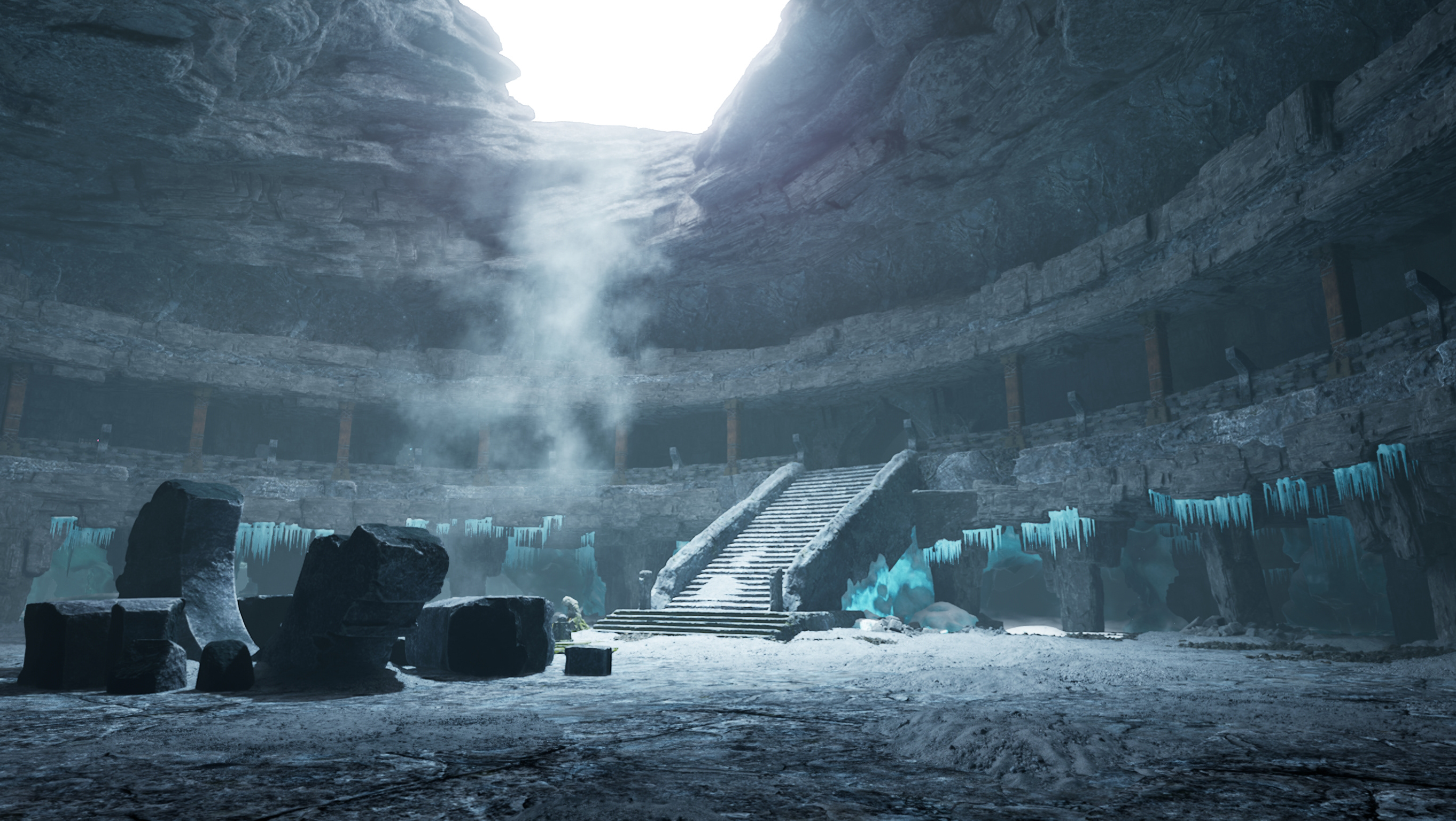
I also added a basement area to take a environmental storytelling a bit further.
You may also like

Back to Top